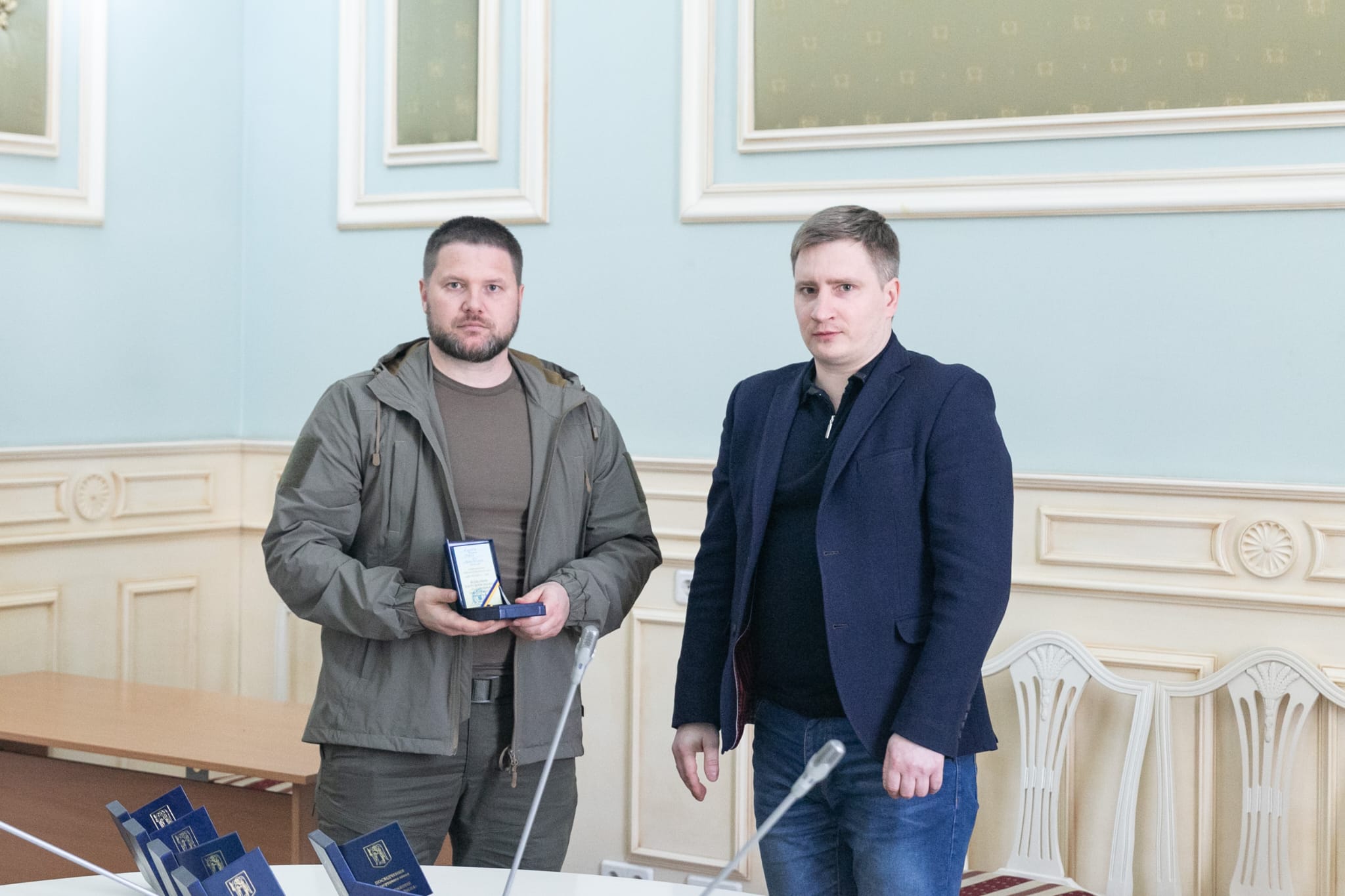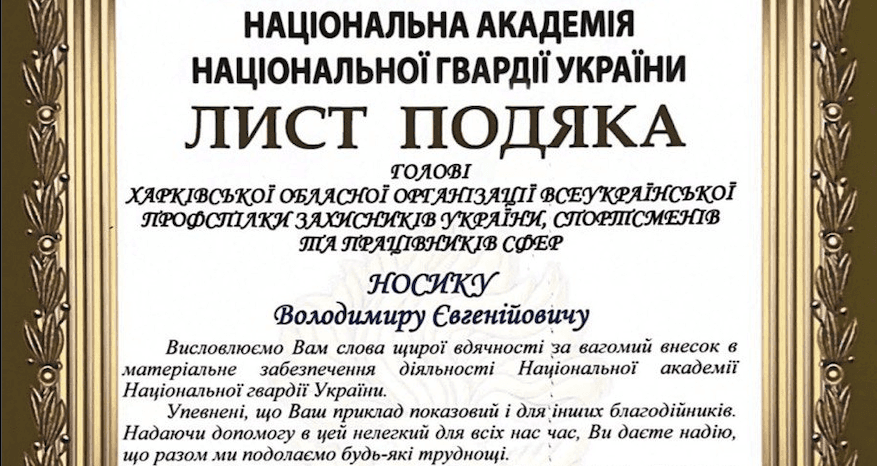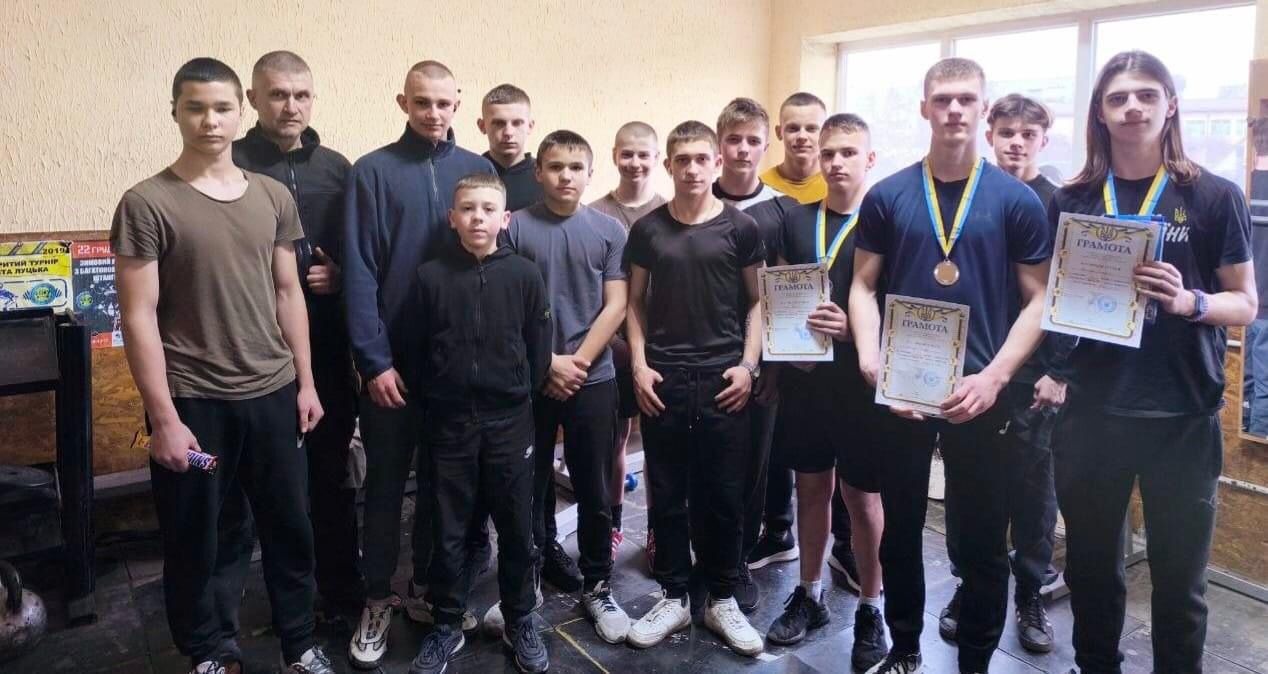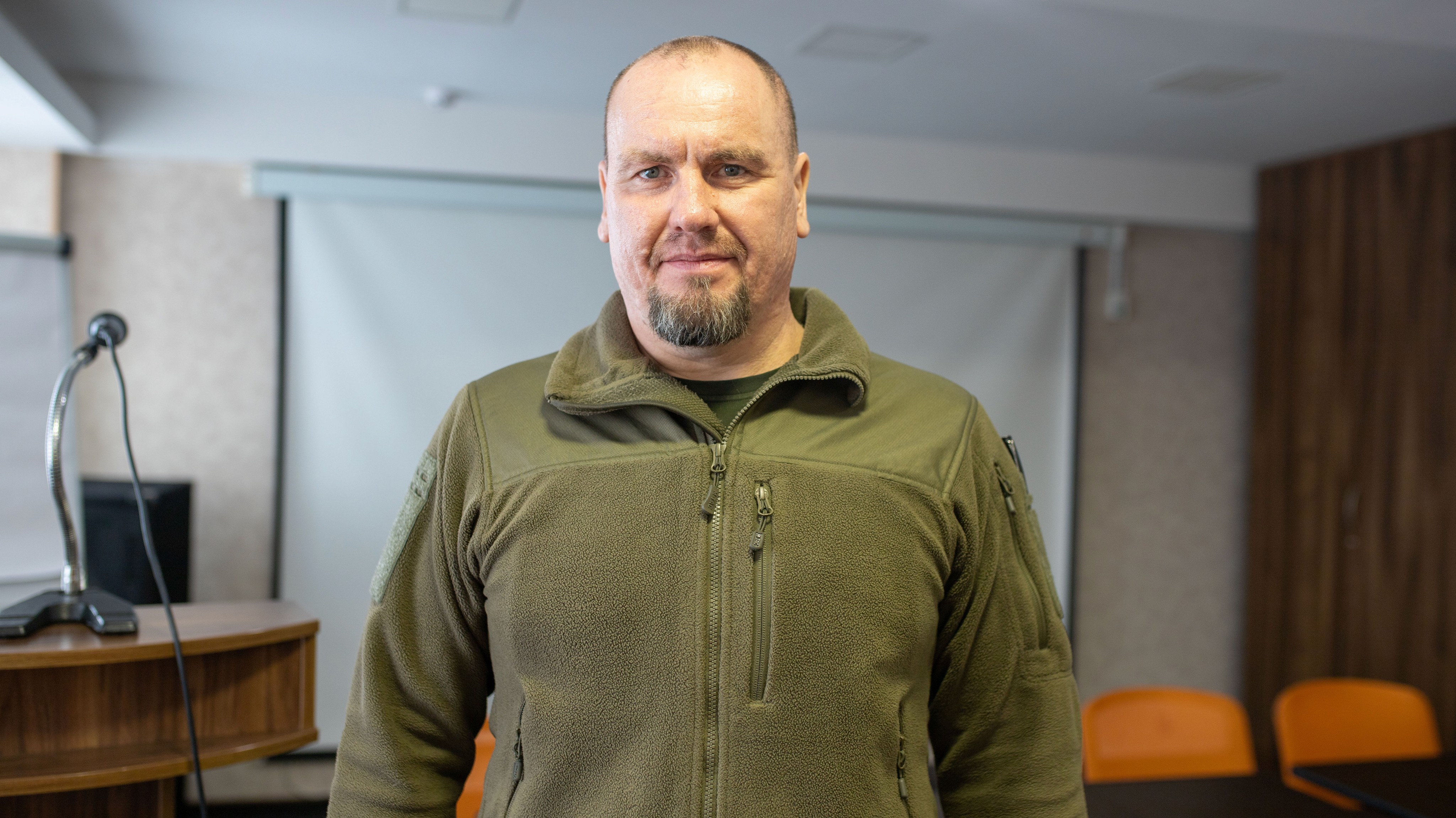
Ivan Timochko, head of the reserve council of the Ground Forces of the Armed Forces of Ukraine and a member of the All-Ukrainian Union of Defenders of Ukraine, athletes, and workers explains the systemic challenges that military personnel will face upon demobilization and how the trade union organization will help in this.
According to current legislation, all potential citizens of the country are either reservists or military personnel, who in turn will eventually be released into the reserve and will also be reservists. Taking into account that the Ukrainian army is a cross-section of society, it includes representatives of all professions.
We understand that after demobilization, many workers will return to their jobs, and many demobilized reservists will start their own businesses. And then there will be a need for continuous improvement of current legislation. Because if some laws provide social protection for veterans, when a military serviceman is demobilized and returns to work at an enterprise, he will face certain conflict situations with the employer.
For example, when soldiers were mobilized during a large-scale invasion, according to Article 109 of the Labor Code, the preservation of the average wage and job was guaranteed. Later changes were made to the legislation and the payment of the average wage was canceled. So now, when the time for demobilization comes, we understand perfectly well that there will be many legal proceedings. Since many people who were mobilized before the new law (with the amendment regarding the payment of the average wage) - they are protected, they were supposed to receive this money, because the law has no retroactive effect. And then people will need help.
Also, many soldiers will start their own businesses. They will hire both veterans and civilians. And it is important to strike a balance so that in work collectives, which will already be under the supervision of a veteran, there are no conflicts, attempts to differentiate the social status of people. Therefore, it is important to cooperate with trade unions.
In addition, we understand that many soldiers will be called up for military training. How will the issue be there? How much will employers want to take people, knowing that throughout the year, for several weeks, each of their workers will potentially be away for training.
All this will require intervention, support from trade unions, since trade unions have an established mechanism for cooperation with executive authorities, legislative authorities, the same Cabinet of Ministers.
We understand that soldiers are used to organizing in public organizations. But again, public organizations mainly focused on protecting some personal rights of veterans, their family members, or advocating for, for example, state guarantees (such as allocation of land plots). These are important, but local issues.
And the time will come when we will face global challenges regarding the protection of reservists, veterans. Because after the war, there will be about 4 million reservists, of which 700-800 thousand will be reservists of the operational reserve of the first and second lines. That is, these people will constantly undergo training, drills, they will potentially be ready to join the ranks.
There will be a separate issue after demobilization, taking into account that a lot of documentation has been destroyed as a result of the war. For example, the documents that should fix an employee's length of service. There will be a problem, for example, not just restoring documents, but confirming their legitimacy or validity. And this will in turn put a burden on the Pension Fund, on the bodies of various state structures.
The question will arise as to what problems need to be solved systematically. And this is where the extensive experience of trade unions will come in handy. Resolving conflicts in the interaction between employer and employee, authorities and citizens of the country, conducting social protection at a systemic level.
This experience, of course, is possessed by the Trade Union and it can really help reservists, veterans.